In a world where design often feels like a solo act, symbiotic design steps onto the stage, ready to steal the show. Imagine a collaboration so seamless that it makes peanut butter and jelly look like a mismatched pair. This innovative approach blends creativity with functionality, turning ordinary spaces and products into harmonious experiences that leave a lasting impression.
Understanding Symbiotic Design
Symbiotic design integrates creativity with functionality to cultivate environments and products that resonate with users. This approach fosters collaboration across various disciplines, enhancing experiences in both personal and public spaces.
Definition and Importance
Symbiotic design refers to an approach that blends design elements and user needs into a cohesive framework. It prioritizes the interaction between spaces, objects, and individuals. This design philosophy promotes sustainability while addressing diverse human experiences. Increased empathy and understanding between designers and users lead to innovations that enrich everyday life. Consequently, symbiotic design enhances user satisfaction, making products and environments more meaningful and user-centric.
Key Principles
Key principles of symbiotic design include collaboration, adaptability, and sustainability. Collaboration among various disciplines encourages diverse perspectives, enriching the design process. Adaptability allows designs to evolve based on user feedback, ensuring continued relevance. Sustainability emphasizes the importance of eco-friendly practices, promoting responsible consumption of resources. Further, systems thinking highlights the interconnectedness of elements within a design, facilitating holistic solutions. Each principle plays a vital role in creating harmonious interactions that shape effective design experiences.
Historical Context of Symbiotic Design
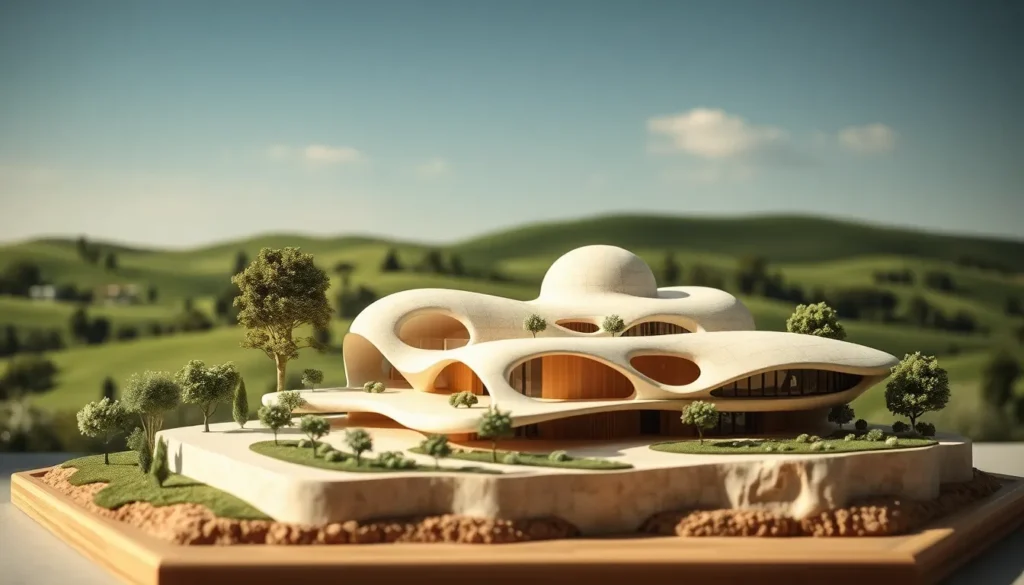
Symbiotic design has roots that extend back to various movements emphasizing collaboration and harmony between people and their environments. This design philosophy has evolved significantly, shaping the way spaces and products interact with users.
Evolution Over Time
Early examples of symbiotic design trace back to organic architecture in the late 19th and early 20th centuries. Architects like Frank Lloyd Wright focused on creating structures that harmonized with their natural surroundings. Mid-20th century design movements introduced systems thinking, emphasizing interactions between elements in design. In recent years, the digital age further influenced symbiotic design, integrating technology into everyday environments. Current trends prioritize user-centric approaches, adapting designs in response to feedback and changing needs.
Influential Figures
Several key figures have shaped the principles of symbiotic design. Frank Lloyd Wright pioneered a style that integrated architecture with landscape. Buckminster Fuller introduced the concept of synergy, encouraging designers to consider systemic relationships. Furthermore, contemporary designers like Bjarke Ingels incorporate sustainability and functionality into their works, reflecting the essence of symbiotic design. Each of these contributors instilled principles that continue to influence modern interpretations of design, fostering collaborative and adaptive environments.
Applications of Symbiotic Design
Symbiotic design finds its applications in various fields, notably architecture and product design, enhancing functionality and user experiences.
In Architecture
Architecture increasingly adopts symbiotic design principles. Spaces thrive when they blend seamlessly with their environments. Architects prioritize natural light, ventilation, and surrounding landscapes to create harmony. For instance, buildings constructed by Frank Lloyd Wright exemplify this approach by integrating into the landscape. Innovations, such as adaptive reuse, breathe new life into existing structures, promoting sustainability. Enhanced collaboration between architects, engineers, and environmental scientists leads to multi-functional spaces that foster community interaction. Each structure becomes a part of a larger ecosystem from urban settings to rural landscapes.
In Product Design
Product design benefits significantly from symbiotic design. Designers focus on user adaptability and ergonomic principles to create products that fit users’ needs. For example, furniture pieces with modular components allow for personalized configurations. Integrating technology further improves user interaction, as seen in smart home devices that respond to user preferences. Sustainability drives material choices and production processes, ensuring environmentally friendly options. Collaboration between designers and users bolsters creativity, resulting in innovative products that resonate with consumers. Each product encourages positive user experiences while enhancing functionality in daily life.
Benefits of Symbiotic Design
Symbiotic design offers numerous advantages that enhance both the environment and user interaction. These benefits include sustainability and an enhanced user experience.
Sustainability
Sustainability stands at the core of symbiotic design. Resources are utilized efficiently, minimizing waste and promoting eco-friendly practices. Designers focus on materials that are recyclable or biodegradable, reducing environmental impact. Furthermore, energy-efficient solutions such as natural lighting and ventilation enhance resource conservation. Spaces designed with the environment in mind foster a connection with nature, encouraging users to appreciate their surroundings. Community engagement grows through sustainable practices, promoting collective responsibility for the environment.
Enhanced User Experience
Enhanced user experience is another significant benefit of symbiotic design. Personalized spaces and products cater to individual needs, promoting comfort and usability. Interaction and functionality are prioritized, leading to intuitive designs that resonate with users. Flexibility in design accommodates changing preferences, ensuring longevity and relevance. Feedback from users plays a crucial role in shaping products that align with their expectations. Ultimately, symbiotic design creates environments that promote well-being, satisfaction, and a sense of belonging.
Challenges in Implementing Symbiotic Design
Implementing symbiotic design presents various challenges that can hinder its effectiveness and acceptance.
Technical Limitations
Technical limitations often impede the realization of symbiotic design. Many designers encounter constraints related to materials and technologies. Traditional construction methods may not facilitate the adaptability required for innovative designs. Existing tools may lack the precision needed to integrate various systems seamlessly. Investment in advanced technologies is essential, yet budgets often restrict capabilities. Access to skilled professionals further complicates execution, as many may not be familiar with symbiotic practices. Balancing these constraints with the need for experimental approaches requires considerable effort.
Cultural Resistance
Cultural resistance can significantly impact the acceptance of symbiotic design. Many individuals are accustomed to conventional design practices and may view new methodologies with skepticism. Fear of change can deter collaboration among teams and stakeholders. Established norms often prioritize aesthetic values over functional innovations, creating friction. Education and awareness campaigns provide critical avenues for fostering understanding, yet inertia persists in some sectors. Stakeholders frequently resist altering traditional roles, affecting project dynamics. Overcoming these cultural barriers necessitates patience and open dialogue to shift perceptions and practices.
Symbiotic design represents a transformative approach that prioritizes collaboration and sustainability in both architecture and product design. By integrating user needs with innovative solutions, it fosters environments that promote well-being and enhance daily experiences. The emphasis on adaptability and systems thinking ensures that designs remain relevant in a rapidly changing world.
Despite the challenges of implementation, the potential benefits of symbiotic design are profound. It encourages a deeper connection between individuals and their environments while addressing pressing issues like resource efficiency. As designers continue to embrace this philosophy, they pave the way for a future where creativity and functionality coexist harmoniously, enriching lives and communities alike.