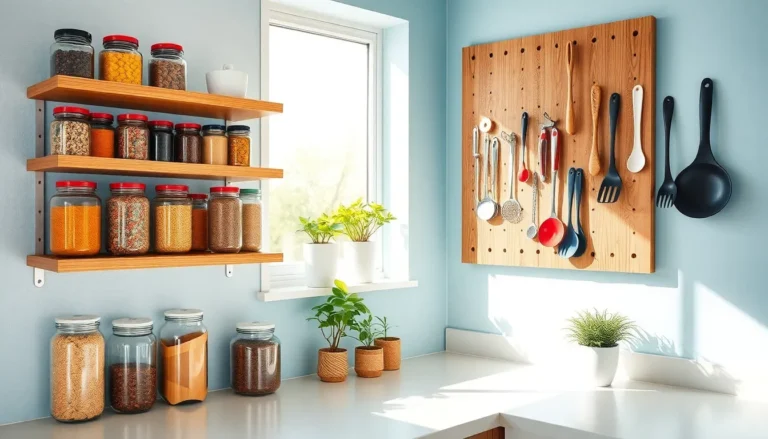
In a world overflowing with flashy designs and over-the-top aesthetics, practical design emerges as the unsung hero. It’s the reliable friend who shows up on time, ready to tackle any challenge without the drama. Think of it as the Swiss Army knife of the design realm—versatile, functional, and always ready to save the day.
Practical design isn’t just about making things look pretty; it’s about creating solutions that work seamlessly in everyday life. Whether it’s a user-friendly app or an ergonomic chair that doesn’t scream for attention, practicality reigns supreme. So, if you’re tired of designs that look good but leave you scratching your head, it’s time to embrace the beauty of practicality. After all, who wouldn’t want a design that’s as smart as it is stylish?
Overview of Practical Design
Practical design focuses on functionality and usability while maintaining aesthetic appeal. It ensures that products meet real-world needs and improve the user experience. Designers prioritize features that enhance everyday activities, from intuitive websites to durable tools.
Focusing on user interaction, practical design considers how people engage with products. Usability testing often uncovers insights about user behavior, leading designers to refine their creations. These iterative processes ensure that designs remain relevant and effective.
Emphasizing simplicity, practical design avoids unnecessary complexities. The goal is to create solutions that are easy to use and accessible. For instance, a well-designed mobile app enables users to navigate seamlessly without confusion.
Analyzing successful examples reveals how practical design excels in various fields. Tech companies frequently utilize practical design principles to enhance functionality in their devices. Ergonomic furniture remains a prime example, catering to comfort and health in workspaces.
Practical design also addresses sustainability, ensuring that materials and processes minimize environmental impact. Eco-friendly products can serve multiple purposes while reducing waste. Designers strive for solutions that balance practicality with environmental responsibility.
Meeting diverse user needs is another hallmark of practical design. Customization options allow users to tailor products to fit their specific requirements. This adaptability ensures that a wider audience benefits from thoughtfully designed solutions.
Practical design ultimately champions efficiency, offering reliable solutions that enrich daily life. By valuing function alongside form, designers contribute to a world where aesthetics serves practical goals.
Key Principles of Practical Design


Practical design emphasizes essential principles that enhance functionality and user experience. Balancing aesthetic appeal with real-world applications leads to effective solutions.
User-Centered Approach
This approach places users at the core of the design process. Understanding user needs and preferences drives the creation of effective products. Empathy plays a crucial role in identifying pain points that users encounter. Engaging with users through surveys and usability tests provides valuable insights. Prioritizing feedback during development ensures designs remain relevant. Designers focus on creating solutions that enhance daily activities and simplify tasks. Seamless user interaction becomes attainable when designs align with real-life challenges.
Functionality and Usability
Functionality serves as the foundation of practical design. Clear, intuitive interfaces cater to users without overwhelming them. Emphasis on simple navigation fosters ease of use and minimizes confusion. Products must perform reliably in various scenarios, meeting diverse user needs effectively. Usability testing identifies areas for improvement, ensuring designs adapt to user feedback. A practical design responds to challenges while delivering an enjoyable experience. Ultimately, successful products harmonize form and function, enriching users’ daily lives.
Elements of Practical Design
Practical design integrates various elements that enhance both functionality and user experience. Key aspects include materials and sustainability alongside aesthetic considerations.
Materials and Sustainability
Materials play a crucial role in practical design. Eco-friendly materials, like bamboo and recycled plastics, contribute to sustainability while ensuring durability. Selecting biodegradable options helps reduce environmental impact. Designers incorporate sustainable practices throughout production, emphasizing renewable resources and energy-efficient processes. Optimal product longevity also supports sustainability, as longer-lasting items minimize waste. By prioritizing responsible sourcing, designers reflect a commitment to environmental stewardship within their practical designs.
Aesthetic Considerations
Aesthetics significantly influence user perceptions of practicality. Attractive designs enhance user engagement, drawing attention while ensuring functionality remains paramount. Thoughtful color choices and shapes create cohesive looks without sacrificing usability. Incorporating visual elements that users find appealing can increase product desirability. Simple yet effective designs allow for easy integration into various environments. Striking a balance between beauty and practicality fosters a positive user experience, showing that good design can be both pleasing and purposeful.
Applications of Practical Design
Practical design finds applications across diverse fields, excelling in product and interior design. Its emphasis on functionality ensures everyday usability.
Product Design
User-centered product design prioritizes functionality while maintaining aesthetic appeal. Innovative tech companies leverage practical design to create user-friendly gadgets, enhancing daily tasks with seamless interfaces. Ergonomic considerations lead to products that reduce strain, like office chairs promoting healthy posture. Designers often employ sustainable materials, such as biodegradable plastics, to meet eco-conscious consumer demands. Each product iteration benefits from user feedback, refining features that matter most.
Interior Design
In interior design, practicality manifests through space optimization and comfort. Creative layouts maximize usable areas without sacrificing aesthetics. Designers incorporate multi-functional furniture, catering to smaller living spaces while enhancing versatility. Selecting durable, sustainable materials contributes to long-term value, aligning with eco-friendly standards. Natural light becomes a focal point, improving both functionality and ambiance in spaces. Ultimately, practical design in interiors creates environments that support well-being while reflecting personal style.
Practical design stands out as a vital approach in today’s complex landscape. By prioritizing functionality and user experience it creates solutions that resonate with everyday needs. This design philosophy not only enhances usability but also embraces sustainability through eco-friendly materials and processes.
As designers continue to innovate they must remember that beauty and practicality can coexist. The integration of user feedback and usability testing ensures that products remain relevant and effective. Ultimately practical design enriches lives by addressing real-world challenges while fostering a harmonious balance between form and function.