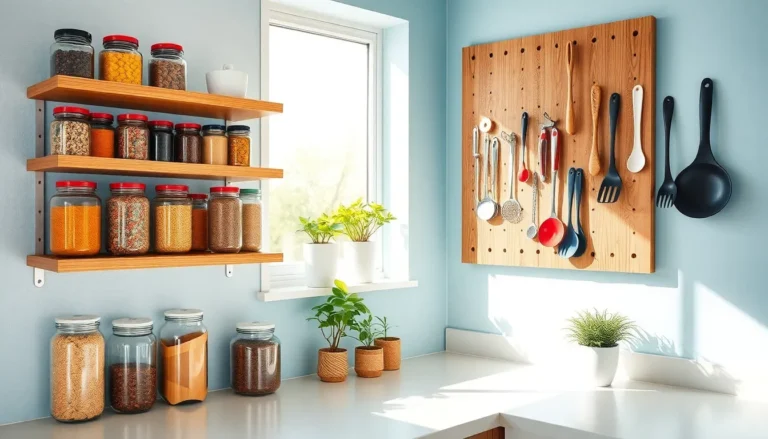
In a world where first impressions matter, the design process is the secret sauce that transforms ideas into eye-catching realities. It’s not just about slapping some colors on a canvas and calling it a day; it’s a meticulous journey filled with brainstorming, sketching, and maybe a few too many cups of coffee. This process is where creativity meets strategy, ensuring that every pixel serves a purpose and every line tells a story.
Whether you’re designing a website, a product, or even a snazzy business card, understanding the design process can make all the difference. It’s like having a GPS for your creative journey—guiding you through the twists and turns while keeping you on the road to success. Get ready to dive into the delightful chaos of design, where each step brings you closer to a masterpiece that not only looks good but also resonates with its audience.
What Is the Design Process?
The design process encompasses a series of systematic steps that transform ideas into tangible solutions. This journey begins with understanding the problem to solve, which sets the foundation for all subsequent actions. Identifying user needs and conducting thorough research generates valuable insights that inform design choices.
Next comes the brainstorming phase, where creativity flourishes through idea generation. Various techniques such as mind mapping and sketching enable designers to visualize concepts and explore multiple possibilities. Prototyping follows, facilitating the transition from abstract ideas to physical representations. Creating low-fidelity models or digital mockups allows for testing and refining designs early in the process.
User feedback plays a crucial role in this stage. Gathering insights from potential users helps identify strengths and weaknesses, leading to informed adjustments. Iteration follows; revising based on feedback ensures the design aligns with user needs and expectations. This cycle of testing, tweaking, and retesting strengthens the final product.
Throughout the design process, collaboration remains vital. Engaging with stakeholders fosters diverse perspectives and encourages innovative solutions. Clear communication between team members streamlines decisions and enhances efficiency.
Ultimately, this methodical approach to design promotes thoughtful solutions that resonate with target audiences. By embracing each step of the design process, creators craft compelling visuals and practical products that stand out in an increasingly competitive landscape. This structured journey emphasizes both creativity and strategic thinking, ensuring successful outcomes for various projects.
Stages of the Design Process

The design process unfolds through distinct stages, each contributing to the overall effectiveness of the final output.
Research and Discovery
Research and discovery form the foundation of the design process. Understanding the target audience involves gathering insights about their preferences and behaviors. Comprehensive research methods, such as surveys and interviews, yield invaluable information that directly informs design decisions. Analyzing competitors helps identify gaps in the market, leading to unique solutions. This phase encourages designers to delve into user needs, setting the stage for a focused and relevant design journey.
Ideation and Concept Development
Ideation accelerates creativity toward innovative solutions. Brainstorming sessions generate numerous ideas, with techniques like sketching and mind mapping promoting visual thinking. Concept development refines these ideas into workable solutions. Designers evaluate options based on research findings and stakeholder input, prioritizing ideas that resonate with user needs. By creating mood boards and storyboards, designers articulate the vision, ensuring clarity in the direction of the project.
Prototyping
Prototyping bridges ideas and tangible products. Designers translate concepts into visual formats through low-fidelity sketches or high-fidelity digital models. Creating prototypes offers an opportunity to explore various design aspects, including functionality and usability. Quick iterations build upon feedback gathered during this stage. Sharing prototypes with stakeholders cultivates collaboration, aligning everyone with the project goals and ensuring that the design meets expectations.
Testing and Evaluation
Testing and evaluation ensure that designs serve their intended purpose effectively. Collecting user feedback on prototypes provides critical insights into usability and functionality. A/B testing enables designers to compare different versions and reveal user preferences. Analysis of this feedback informs necessary adjustments, enhancing the design’s overall effectiveness. By prioritizing user experience, this stage strengthens the connection between the design and its audience, promoting greater satisfaction and engagement.
Best Practices in the Design Process
Successful design relies on established practices that enhance creativity and efficiency. Focusing on collaboration and user-centered design fosters an environment where innovative ideas thrive.
Collaboration and Communication
Creative projects benefit from collaboration. Team members should maintain open lines of communication throughout the design process. Input varies from designers to stakeholders, enriching the final product. Regular meetings identify challenges and keep everyone aligned with goals. Utilizing project management tools enhances transparency and facilitates feedback loops. Sharing ideas early encourages collective ownership of the project, leading to better outcomes. Collaboration not only strengthens relationships but also sparks inspiration among team members, creating a vibrant creative atmosphere.
User-Centered Design
User-centered design places the target audience at the forefront. Understanding user needs requires thorough research involving surveys and interviews. Gathering feedback from potential users helps shape design decisions. Creating personas allows designers to visualize end-users and their motivations. During the prototyping phase, continuous testing with users ensures usability remains a priority. Adjustments based on user insights increase satisfaction and engagement. Emphasizing user-centered principles results in designs that resonate deeply with audiences, improving overall effectiveness. By focusing on the end-user, designers create solutions that address real problems and elevate experiences.
Common Challenges in the Design Process
Designers encounter various challenges throughout the design process. Meeting tight deadlines often creates pressure that can compromise creativity and quality. Feedback from clients or stakeholders may conflict, leading to confusion about project direction. Navigating changes in project scope introduces complexity and can derail established timelines.
Limited budgets also present obstacles in the design landscape. Constraints on resources affect material choices and overall project execution. Balancing user needs with business objectives poses a significant challenge, as both elements must harmonize for effective outcomes. Designers might find it difficult to incorporate user feedback while maintaining their creative vision.
Communication barriers impact collaboration among team members. Misunderstandings can arise if expectations are not clearly articulated, resulting in frustrations or delays. Incorporating diverse perspectives enriches the design but can also lead to conflicts if not managed properly. Establishing clear workflows and communication protocols helps mitigate these issues.
Adapting to technological advancements often requires continual learning. Keeping up with the latest tools and trends demands time and effort, crucial for maintaining competitiveness. Designers also grapple with ensuring accessibility for all users, as incorporating inclusive design principles adds another layer of complexity.
Despite these challenges, recognizing them provides designers with opportunities for growth and innovation. Addressing practical limitations fosters creative solutions, turning obstacles into stepping stones toward success. Prioritizing communication, research, and user-centered design strategies enhances the overall design process and cultivates strong, impactful outcomes.
The design process is a vital journey that transforms creative ideas into effective solutions. By following systematic steps and prioritizing user needs, designers can produce work that resonates deeply with their audiences. Emphasizing collaboration and open communication enhances creativity while addressing common challenges can lead to innovative outcomes.
Ultimately, a well-executed design process not only elevates the final product but also enriches the overall experience for users. Embracing this structured approach allows designers to navigate complexities and create impactful visuals that leave a lasting impression.